श्रीमद्भगवद्गीताBhagavad Gītā · in the light of Sri Aurobindo, home

Chapter XIII35 verses

अथ त्रयोदशोऽध्यायः

क्षेत्रक्षेत्रज्ञविभागयोगः

The Yoga of the Distinction between the Field and the Knower of the Field

Kṣetra-kṣetrajña-vibhāga-yoga

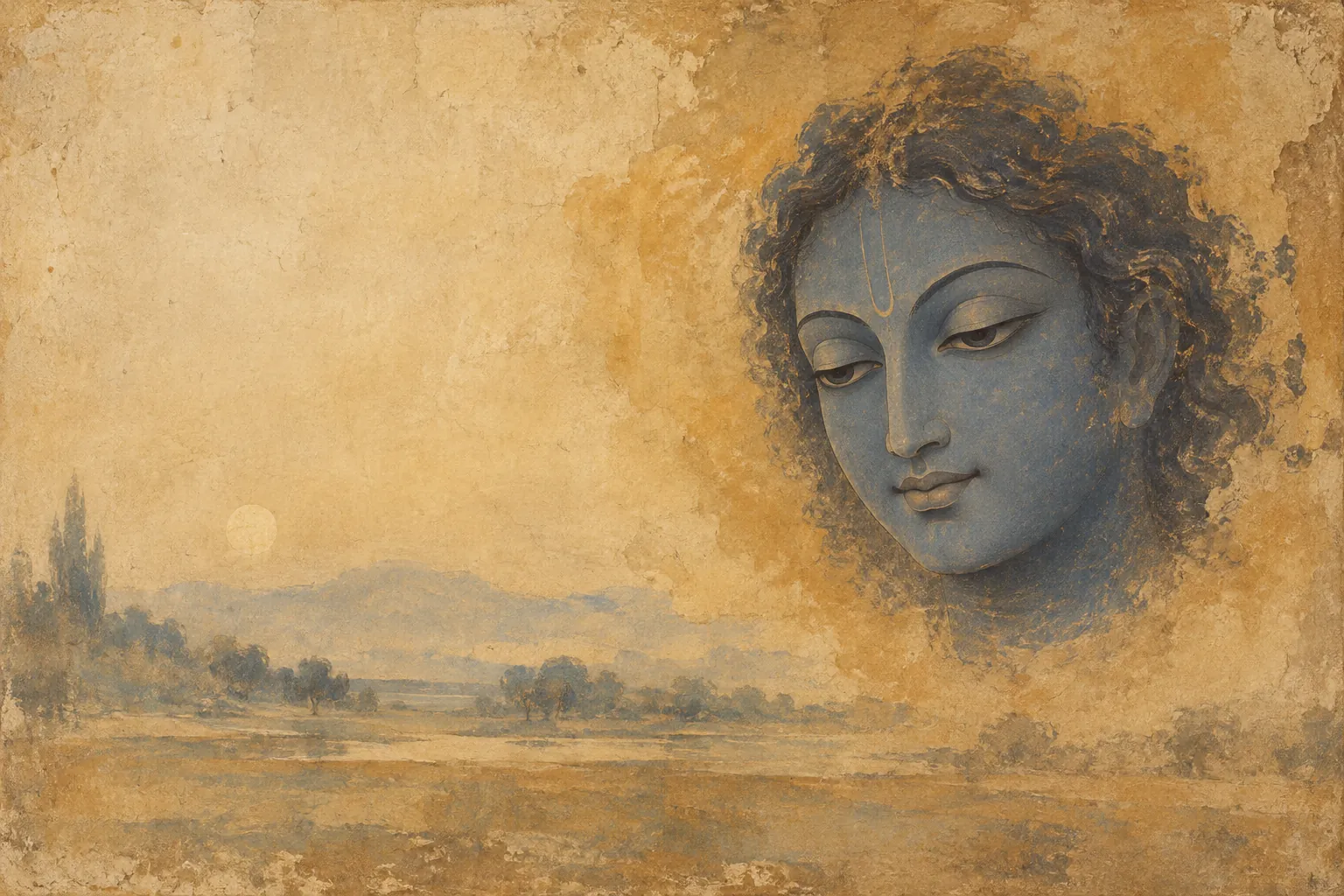
Know the body and the mind with all their motions as a field, and know the one Lord who is the Knower in every field, seated equally in all, unperishing within the perishing. — The Delight of Krishna

The soul enters in
madbhaktaḥ sa me priyaḥ — the lover dear to God, who must now know Soul and Nature
and is led towards
kṣetrajña — the Knower in all fields, the one Lord seen seated equally in every being

Recitations

  1. Swami Sarvagananda ji0:00
  2. Ashit Desai0:00
In this chapter

35 verses

Summary of chapter 13

The Field and its Knower - The distinctions between Pumsha and Prakriti. Soul and Nature. rapidly drawn in this chapter in the terms of the Sankhya Philosophy, are the basis on which the Gita rests its whole idea of the liberated being made one in the conscious law of its existence with the Divine.
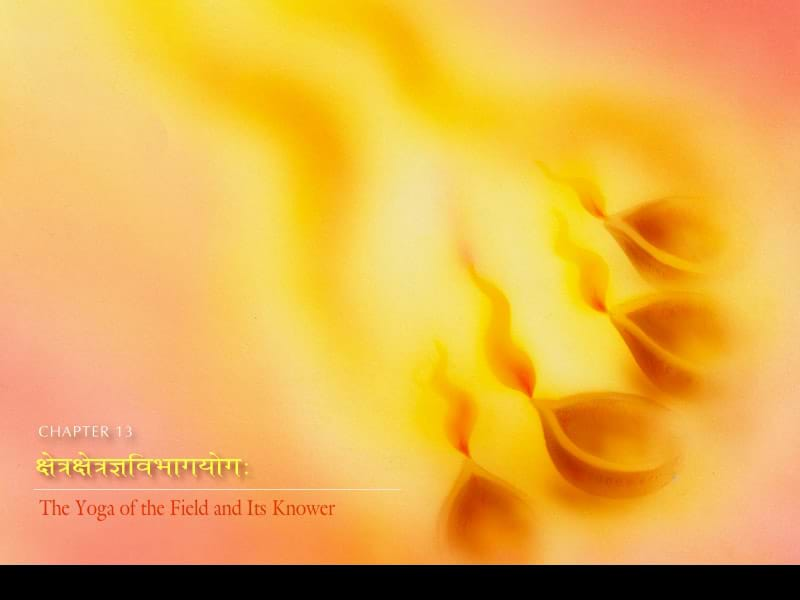
Chapter 13 illustration, titled क्षेत्रक्षेत्रज्ञविभागयोगः
Illustration · Sushanto Nath, Sri Aurobindo Society

Chapter outline

Choose a range to read just those verses.

  1. 13·1–7The Field and the Knower of the Field.
  2. 13·8–12The essentials of Spiritual Knowledge.
  3. 13·13–19The Supreme Knowable.
  4. 13·20–35Purusha and Prakriti, the Vedantic Sankhya and spiritual value of Knowledge.
  5. 13·1–35Show all 35 verses

The verses

Arjuna uvācaअर्जुन उवाच

  1. 13·1प्रकृतिं पुरुषं चैव क्षेत्रं क्षेत्रज्ञमेव च । एतद्वेदितुमिच्छामि ज्ञानं ज्ञेयं च केशव ॥ १ ॥prakṛtiṁ puruṣaṁ caiva kṣetraṁ kṣetrajñameva ca, etadveditumicchāmi jñānaṁ jñeyaṁ ca keśava.Prakriti and Purusha, the Field and the Knower of the Field, Knowledge and the object of Knowledge, these I…

Śrī Bhagavān uvācaश्रीभगवानुवाच

  1. 13·2इदं शरीरं कौन्तेय क्षेत्रमित्यभिधीयते । एतद्यो वेत्ति तं प्राहुः क्षेत्रज्ञ इति तद्विदः ॥ २ ॥idaṁ śarīraṁ kaunteya kṣetramityabhidhīyate, etadyo vetti taṁ prāhuḥ kṣetrajña iti tadvidaḥ.This body, O son of Kunti, is called the Field; that which takes cognizance of the Field is called the Knower…
  2. 13·3, a key verseक्षेत्रज्ञं चापि मां विद्धि सर्वक्षेत्रेषु भारत । क्षेत्रक्षेत्रज्ञयोर्ज्ञानं यत्तज्ज्ञानं मतं मम ॥ ३ ॥kṣetrajñaṁ cāpi māṁ viddhi sarvakṣetreṣu bhārata, kṣetrakṣetrajñayorjñānaṁ yattajjñānaṁ mataṁ mama.Understand Me as the Knower of the Field in all Fields, O Bharata…
  3. 13·4तत्क्षेत्रं यच्च यादृक्च यद्विकारि यतश्च यत् । स च यो यत्प्रभावश्च तत्समासेन मे शृणु ॥ ४ ॥tatkṣetraṁ yacca yādṛkca yadvikāri yataśca yat, sa ca yo yatprabhāvaśca tatsamāsena me śṛṇu.What that Field is and what are its character, nature, source, deformations, and what He is and what His…
  4. 13·5ऋषिभिर्बहुधा गीतं छन्दोभिर्विविधैः पृथक् । ब्रह्मसूत्रपदैश्चैव हेतुमद्भिर्विनिश्चितैः ॥ ५ ॥ṛṣibhirbahudhā gītaṁ chandobhirvividhaiḥ pṛthak, brahmasūtrapadaiścaiva hetumadbhirviniścitaiḥ.It has been sung by the Rishis in manifold ways in various inspired verses…
  5. 13·6महाभूतान्यहङ्कारो बुद्धिरव्यक्तमेव च । इन्द्रियाणि दशैकं च पञ्च चेन्द्रियगोचराः ॥ ६ ॥mahābhūtānyahaṅkāro buddhiravyaktameva ca, indriyāṇi daśaikaṁ ca paṅca cendriyagocarāḥ.The indiscriminate unmanifest Energy; the five elemental states of matter…
  6. 13·7इच्छा द्वेषः सुखं दुःखं सङ्घातश्चेतना धृतिः । एतत्क्षेत्रं समासेन सविकारमुदाहृतम् ॥ ७ ॥icchā dveṣaḥ sukhaṁ duḥkhaṁ saṅghātaścetanā dhṛtiḥ, etatkṣetraṁ samāsena savikāramudāhṛtam.Liking and disliking, pleasure and pain (these are the principal deformations of the Kshetra)…
  7. 13·8अमानित्वमदम्भित्वमहिंसा क्षान्तिरार्जवम् । आचार्योपासनं शौचं स्थैर्यमात्मविनिग्रहः ॥ ८ ॥amānitvamadambhitvamahiṁsā kṣāntirārjavam, ācāryopāsanaṁ śaucaṁ sthairyamātmavinigrahaḥ.A total absence of wordly pride and arrogance, harmlessness, a candid soul, a tolerant, long-suffering and…
  8. 13·9इन्द्रियार्थेषु वैराग्यमनहङ्कार एव च । जन्ममृत्युजराव्याधिदुःखदोषानुदर्शनम् ॥ ९ ॥indriyārtheṣu vairāgyamanahaṅkāra eva ca, janmamṛtyujarāvyādhiduḥkhadoṣānudarśanam.A firm removal of the natural being’s attraction to the objects of the senses, a radical freedom from egoism…
  9. 13·10असक्तिरनभिष्वंगः पुत्रदारगृहादिषु । नित्यं च समचित्तत्वमिष्टानिष्टोपपत्तिषु ॥ १० ॥asaktiranabhiṣvaṅgaḥ putradāragṛhādiṣu, nityaṁ ca samacittatvamiṣṭāniṣṭopapattiṣu.Absence of clinging to the attachment and absorption of family and home, a constant equalness to all pleasant…
  10. 13·11मयि चानन्ययोगेन भक्तिरव्यभिचारिणी । विविक्तदेशसेवित्वमरतिर्जनसंसदि ॥ ११ ॥mayi cānanyayogena bhaktiravyabhicāriṇī, viviktadeśasevitvamaratirjanasaṁsadi.A meditative mind turned towards solitude and away from the vain noise of crowds and the assemblies of men…
  11. 13·12अध्यात्मज्ञाननित्यत्वं तत्त्वज्ञानार्थदर्शनम् । एतज्ज्ञानमिति प्रोक्तमज्ञानं यदतोऽन्यथा ॥ १२ ॥adhyātmajñānanityatvaṁ tattvajñānārthadarśanam, etajjñānamiti proktamajñānaṁ yadato’nyathā.A philosophic perception of the true sense and large principles of existence, a tranquil continuity of inner…
  12. 13·13ज्ञेयं यत्तत्प्रवक्ष्यामि यज्ज्ञात्वाऽमृतमश्नुते । अनादिमत्परं ब्रह्म न सत्तन्नासदुच्यते ॥ १३ ॥jñeyaṁ yattatpravakṣyāmi yajjñātvā’mṛtamaśnute, anādimatparaṁ brahma na sattannāsaducyate.I will declare the one object to which the mind of spiritual knowledge must be turned, by fixity in which the…
  13. 13·14, a key verseसर्वतः पाणिपादं तत्सर्वतोऽक्षिशिरोमुखम् । सर्वतः श्रुतिमल्लोके सर्वमावृत्य तिष्ठति ॥ १४ ॥sarvataḥ pāṇipādaṁ tatsarvato’kṣiśiromukham, sarvataḥ śrutimalloke sarvamāvṛtya tiṣṭhati.His hands and feet are on every side of us, his heads and eyes and faces are those innumerable visages which…
  14. 13·15सर्वेन्द्रियगुणाभासं सर्वेन्द्रियविवर्जितम् । असक्तं सर्वभृच्चैव निर्गुणं गुणभोक्तृ च ॥ १५ ॥sarvendriyaguṇābhāsaṁ sarvendriyavivarjitam, asaktaṁ sarvabhṛccaiva nirguṇaṁ guṇabhoktṛ ca.All the senses and their qualities reflect him but he is without any senses…
  15. 13·16बहिरन्तश्च भूतानामचरं चरमेव च । सूक्ष्मत्वात्तदविज्ञेयं दूरस्थं चान्तिके च तत् ॥ १६ ॥bahirantaśca bhūtānāmacaraṁ carameva ca, sūkṣmatvāttadavijñeyaṁ dūrasthaṁ cāntike ca tat.That which is in us is he and all that we experience outside ourselves is he.
  16. 13·17अविभक्तं च भूतेषु विभक्तमिव च स्थितम् । भूतभर्तृ च तज्ज्ञेयं ग्रसिष्णु प्रभविष्णु च ॥ १७ ॥avibhaktaṁ ca bhūteṣu vibhaktamiva ca sthitam, bhūtabhartṛ ca tajjñeyaṁ grasiṣṇu prabhaviṣṇu ca.He is indivisible and the One, but seems to divide himself in forms and creatures and appears as all the…
  17. 13·18, a key verseज्योतिषामपि तज्ज्योतिस्तमसः परमुच्यते । ज्ञानं ज्ञेयं ज्ञानगम्यं हृदि सर्वस्य विष्ठितम् ॥ १८ ॥jyotiṣāmapi tajjyotistamasaḥ paramucyate, jñānaṁ jñeyaṁ jñānagamyaṁ hṛdi sarvasya viṣṭhitam.He is the light of all lights and luminous beyond all the darkness of our ignorance.
  18. 13·19इति क्षेत्रं तथा ज्ञानं ज्ञेयं चोक्तं समासतः । मद्भक्त एतद्विज्ञाय मद्भावायोपपद्यते ॥ १९ ॥iti kṣetraṁ tathā jñānaṁ jñeyaṁ coktaṁ samāsataḥ, madbhakta etadvijñāya madbhāvāyopapadyate.Thus the Field, Knowledge and the Object of Knowledge, have been briefly told.
  19. 13·20प्रकृतिं पुरुषं चैव विद्ध्यनादी उभावपि । विकारांश्च गुणांश्चैव विद्धि प्रकृतिसम्भवान्‌ ॥ २० ॥prakṛtiṁ puruṣaṁ caiva viddhyanādī ubhāvapi, vikārāṁśca guṇāṁścaiva viddhi prakṛtisaṁbhavān.Know thou that Purusha (the Soul) and Prakriti (Nature) are both without origin and eternal…
  20. 13·21कार्यकरणकर्तृत्वे हेतुः प्रकृतिरुच्यते । पुरुषः सुखदुःखानां भोक्तृत्वे हेतुरुच्यते ॥ २१ ॥kāryakaraṇakartṛtve hetuḥ prakṛtirucyate, puruṣaḥ sukhaduḥkhānāṁ bhoktṛtve heturucyate.The chain of cause and effect and the state of being the doer are created by Prakriti…
  21. 13·22पुरुषः प्रकृतिस्थो हि भुङ्‌क्ते प्रकृतिजान्गुणान् । कारणं गुणसङ्गोऽस्य सदसद्योनिजन्मसु ॥ २२ ॥puruṣaḥ prakṛtistho hi bhuṅkte prakṛtijānguṇān, kāraṇaṁ guṇasaṅgo’sya sadasadyonijanmasu.Purusha involved in Prakriti enjoys the qualities born of Prakriti…
  22. 13·23, a key verseउपद्रष्टानुमन्ता च भर्ता भोक्ता महेश्वरः । परमात्मेति चाप्युक्तो देहेऽस्मिन्पुरुषः परः ॥ २३ ॥upadraṣṭānumantā ca bhartā bhoktā maheśvaraḥ, paramātmeti cāpyukto dehe’sminpuruṣaḥ paraḥ.Witness, source of the consent, upholder of the work of Nature, her enjoyer, almighty Lord and supreme Self is…
  23. 13·24य एवं वेत्ति पुरुषं प्रकृतिं च गुणैः सह । सर्वथा वर्तमानोऽपि न स भूयोऽभिजायते ॥ २४ ॥ya evaṁ vetti puruṣaṁ prakṛtiṁ ca guṇaiḥ saha, sarvathā vartamāno’pi na sa bhūyo’bhijāyate.He who thus knows Purusha and Prakriti with her qualities, howsoever he lives and acts, he shall not be born…
  24. 13·25ध्यानेनात्मनि पश्यन्ति केचिदात्मानमात्मना । अन्ये सांख्येन योगेन कर्मयोगेन चापरे ॥ २५ ॥dhyānenātmani paśyanti kecidātmānamātmanā, anye sāṅkhyena yogena karmayogena cāpare.This knowledge comes by an inner meditation through which the eternal Self becomes apparent to us in our…
  25. 13·26अन्ये त्वेवमजानन्तः श्रुत्वान्येभ्य उपासते । तेऽपि चातितरन्त्येव मृत्युं श्रुतिपरायणाः ॥ २६ ॥anye tvevamajānantaḥ śrutvānyebhya upāsate, te’pi cātitarantyeva mṛtyuṁ śrutiparāyaṇāḥ.Others, who are ignorant of these paths of Yoga, may hear of the truth from others and mould the mind into the…
  26. 13·27यावत्सञ्जायते किञ्चित्सत्त्वं स्थावरजङ्गमम्‌ । क्षेत्रक्षेत्रज्ञसंयोगात्तद्विद्धि भरतर्षभ ॥ २७ ॥yāvatsañjāyate kiñcitsattvaṁ sthāvarajaṅgamam, kṣetrakṣetrajñasaṁyogāttadviddhi bharatarṣabha.Whatever being, moving or unmoving, is born, know thou, O best of the Bharatas, that it is from the union…
  27. 13·28, a key verseसमं सर्वेषु भूतेषु तिष्ठन्तं परमेश्वरम् विनश्यत्स्वविनश्यन्तं यः पश्यति स पश्यति ॥ २८ ॥samaṁ sarveṣu bhūteṣu tiṣṭhantaṁ parameśvaram vinaśyatsvavinaśyantaṁ yaḥ paśyati sa paśyati.Seated equally in all beings, the supreme Lord, unperishing within the perishing – he who thus sees, he sees.
  28. 13·29समं पश्यन्हि सर्वत्र समवस्थितमीश्वरम् । न हिनस्त्यात्मनात्मानं ततो याति परां गतिम् ॥ २९ ॥samaṁ paśyanhi sarvatra samavasthitamīśvaram, na hinastyātmanātmānaṁ tato yāti parāṁ gatim.Perceiving the equal Lord as the spiritual inhabitant in all forces, in all things and in all beings, he does…
  29. 13·30, a key verseप्रकृत्यैव च कर्माणि क्रियमाणानि सर्वशः । यः पश्यति तथात्मानमकर्तारं स पश्यति ॥ ३० ॥prakṛtyaiva ca karmāṇi kriyamāṇāni sarvaśaḥ, yaḥ paśyati tathātmānamakartāraṁ sa paśyati.He who sees that all action is verily done by Prakriti, and that the Self is the inactive witness, he sees.
  30. 13·31यदा भूतपृथग्भावमेकस्थमनुपश्यति । तत एव च विस्तारं ब्रह्म संपद्यते तदा ॥ ३१ ॥yadā bhūtapṛthagbhāvamekasthamanupaśyati, tata eva ca vistāraṁ brahma saṁpadyate tadā.When he perceives the diversified existence of beings abiding in the one eternal Being, and spreading forth…
  31. 13·32अनादित्वान्निर्गुणत्वात्परमात्मायमव्ययः । शरीरस्थोऽपि कौन्तेय न करोति न लिप्यते ॥ ३२ ॥anāditvānnirguṇatvātparamātmāyamavyayaḥ, śarīrastho’pi kaunteya na karoti na lipyate.Because it is without origin and eternal, not limited by the qualities, the imperishable supreme Self, though…
  32. 13·33यथा सर्वगतं सौक्ष्म्यादाकाशं नोपलिप्यते । सर्वत्रावस्थितो देहे तथात्मा नोपलिप्यते ॥ ३३ ॥yathā sarvagataṁ saukṣmyādākāśaṁ nopalipyate, sarvatrāvasthito dehe tathātmā nopalipyate.As the all-pervading ether is not affected by reason of its subtlety, so seated everywhere in the body, the…
  33. 13·34यथा प्रकाशयत्येकः कृत्स्नं लोकमिमं रविः । क्षेत्रं क्षेत्री तथा कृत्स्नं प्रकाशयति भारत ॥ ३४ ॥yathā prakāśayatyekaḥ kṛtsnaṁ lokamimaṁ raviḥ, kṣetraṁ kṣetrī tathā kṛtsnaṁ prakāśayati bhārata.As the one sun illumines the entire earth, so the Lord of the Field illumines the entire Field, O Bharata.
  34. 13·35क्षेत्रक्षेत्रज्ञयोरेवमन्तरं ज्ञानचक्षुषा । भूतप्रकृतिमोक्षं च ये विदुर्यान्ति ते परम् ॥ ३५ ॥kṣetrakṣetrajñayorevamantaraṁ jñānacakṣuṣā, bhūtaprakṛtimokṣaṁ ca ye viduryānti te param.They who with the eye of knowledge perceive this difference between the Field and the Knower of the Field and…

End of the chapter

ॐ तत्सदिति श्रीमद्भगवद्गीतासूपनिषत्सुब्रह्मविद्यायां योगशास्त्रे श्रीकृष्णार्जुनसंवादेक्षेत्रक्षेत्रज्ञविभागयोगो नाम त्रयोदशोऽध्यायः ॥ १३॥

om tatsaditi śrīmadbhagavadgītāsūpaniṣatsubrahmavidyāyāṁ yogaśāstre śrīkṛṣṇārjunasaṁvādekṣetrakṣetrajñavibhāgayogo nāma trayodaśo’dhyāyaḥ

Thus, in the Upanishad sung by the Lord, the science of Brahman, the scripture of Yoga, the dialogue between Sri Krishna and Arjuna, ends the thirteenth chapter entitled “The Yoga of the Field and the Knower of the Field”

Go to a verse

  1. 1
  2. 2
  3. 3
  4. 4
  5. 5
  6. 6
  7. 7
  8. 8
  9. 9
  10. 10
  11. 11
  12. 12
  13. 13
  14. 14
  15. 15
  16. 16
  17. 17
  18. 18
  19. 19
  20. 20
  21. 21
  22. 22
  23. 23
  24. 24
  25. 25
  26. 26
  27. 27
  28. 28
  29. 29
  30. 30
  31. 31
  32. 32
  33. 33
  34. 34
  35. 35