श्रीमद्भगवद्गीताBhagavad Gītā · in the light of Sri Aurobindo, home

Chapter XIV27 verses

अथ चतुर्दशोऽध्यायः

गुणत्रयविभागयोगः

The Yoga of the Division of the Three Gunas

Guṇa-traya-vibhāga-yoga

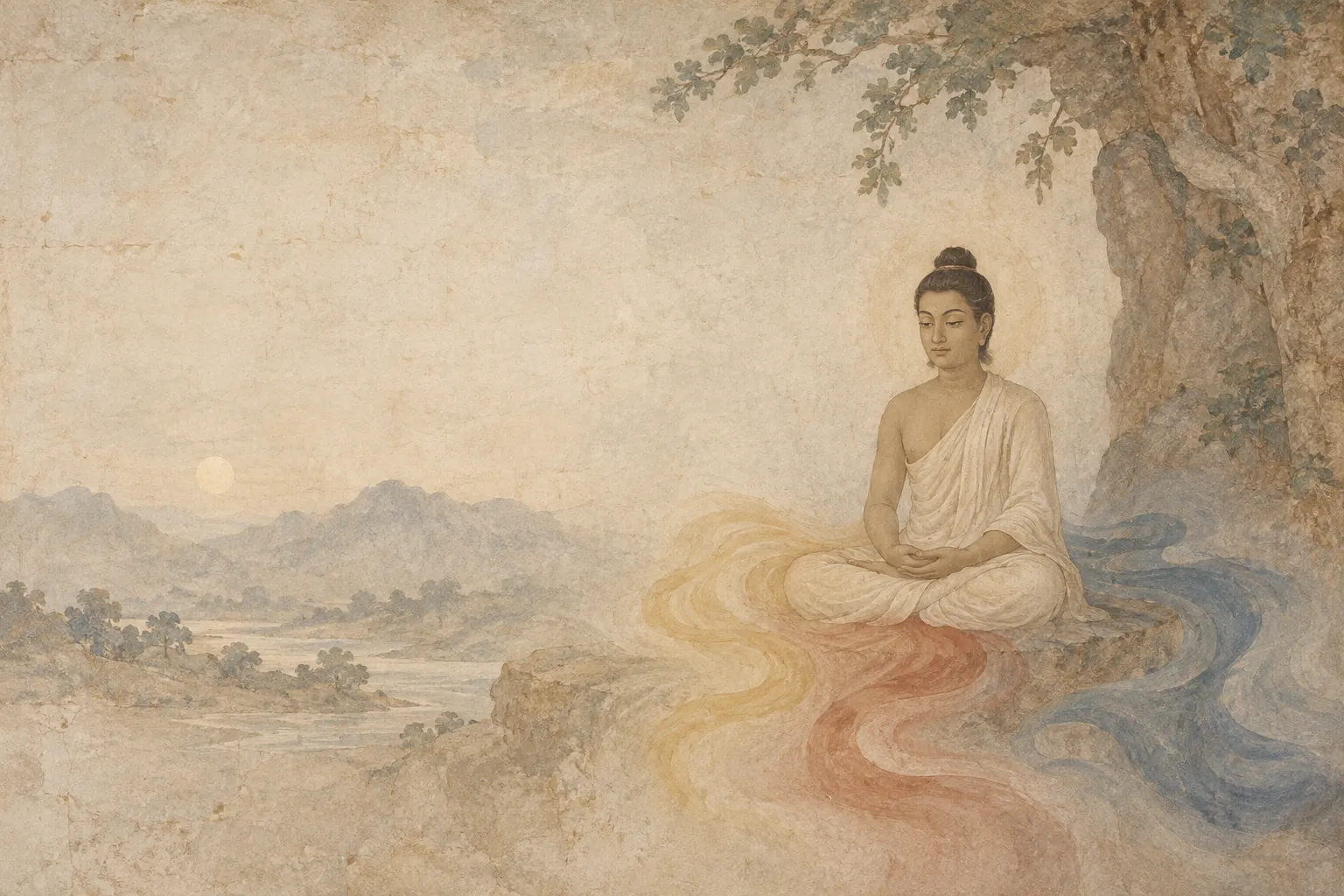
Rise like the sun above the clouds of the three modes, and let an undeviating love carry you beyond them into the foundation that is the Purushottama. — The Delight of Krishna

The soul enters in
kṣetrajña — the Knower who sees, yet still bound by the strands of the Field
and is led towards
guṇātīta — the soul risen above the three modes, founded in the Purushottama

Recitations

  1. Swami Sarvagananda ji0:00
  2. Ashit Desai0:00
In this chapter

27 verses

Summary of chapter 14

Above the Gunas - The Gila now proceeds to work out its ideas of the action of the gunas. of the ascension beyond the gunas and of the culmination of desireless works in knowledge where knowledge coalesces with bhaktl. - knowledge. works and love made one. - and it rises thence to its great finale. the supreme secret of self-surrender to the Master of Existence.
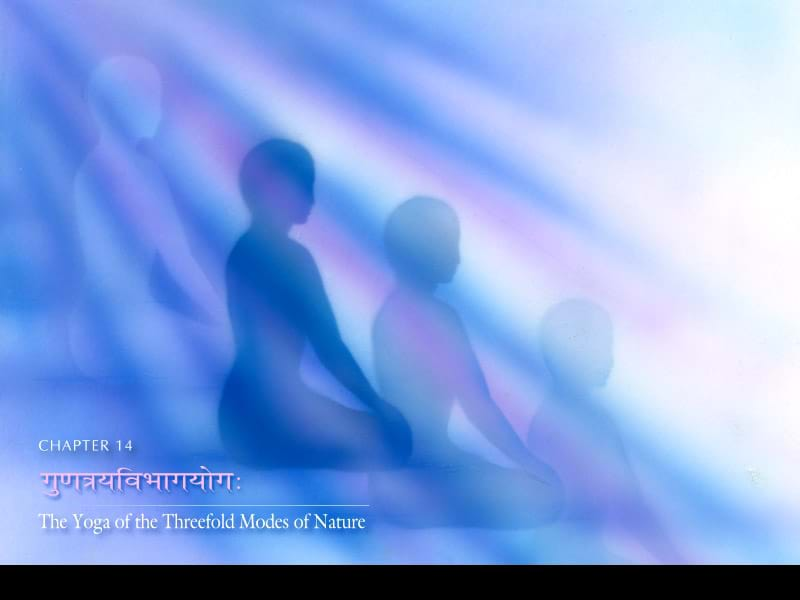
Chapter 14 illustration, titled गुणत्रयविभागयोगः
Illustration · Sushanto Nath, Sri Aurobindo Society

Chapter outline

Choose a range to read just those verses.

  1. 14·1–4The supreme Knowledge of the Divine as the Sole Cause of the Universe.
  2. 14·5–18The three Gunas of Prakriti, their characteristic action, their interplav, their role in life and aflerwards.
  3. 14·19–27Transcendence of the three Gunas and the marks of spiritual life.
  4. 14·1–27Show all 27 verses

The verses

Śrī Bhagavān uvācaश्रीभगवानुवाच

  1. 14·1परं भूयः प्रवक्ष्यामि ज्ञानानां ज्ञानमुत्तमम् । यज्ज्ञात्वा मुनयः सर्वे परां सिद्धिमितो गताः ॥ १ ॥paraṁ bhūyaḥ pravakṣyāmi jñānānāṁ jñānamuttamam, yajjñātvā munayaḥ sarve parāṁ siddhimito gatāḥ.I will again declare the supreme Knowledge, the highest of all knowings, which having known, all the sages…
  2. 14·2इदं ज्ञानमुपाश्रित्य मम साधर्म्यमागताः । सर्गेऽपि नोपजायन्ते प्रलये न व्यथन्ति च ॥ २ ॥idaṁ jñānamupāśritya mama sādharmyamāgatāḥ sarge’pi nopajāyante pralaye na vyathanti ca.Having taken refuge in this knowledge and become of like nature and law of being with Me, they are not born in…
  3. 14·3मम योनिर्महद्ब्रह्म तस्मिन्गर्भं दधाम्यहम् । संभवः सर्वभूतानां ततो भवति भारत ॥ ३ ॥mama yonirmahadbrahma tasmingarbhaṁ dadhāmyaham, saṁbhavaḥ sarvabhūtānāṁ tato bhavati bhārata.My womb is the Mahat Brahman; into that I cast the seed; thence spring all beings, O Bharata.
  4. 14·4सर्वयोनिषु कौन्तेय मूर्तयः सम्भवन्ति याः । तासां ब्रह्म महद्योनिरहं बीजप्रदः पिता ॥ ४ ॥sarvayoniṣu kaunteya mūrtayaḥ saṁbhavanti yāḥ, tāsāṁ brahma mahadyonirahaṁ bījapradaḥ pitā.Whatever forms are produced in whatsoever wombs, O Kaunteya, the Mahat Brahman is their womb, and I am the…
  5. 14·5, a key verseसत्त्वं रजस्तम इति गुणाः प्रकृतिसम्भवाः । निबध्नन्ति महाबाहो देहे देहिनमव्ययम् ॥ ५ ॥sattvaṁ rajastama iti guṇāḥ prakṛtisambhavāḥ, nibadhnanti mahābāho dehe dehinamavyayam.The three gunas born of the Prakriti, sattva, rajas and tamas, bind in the body, O great-armed one, the…
  6. 14·6तत्र सत्त्वं निर्मलत्वात्प्रकाशकमनामयम् । सुखसङ्गेन बध्नाति ज्ञानसङ्गेन चानघ ॥ ६ ॥tatra sattvaṁ nirmalatvātprakāśakamanāmayam, sukhasaṅgena badhnāti jñānasaṅgena cānagha.Of these sattva is by the purity of its quality a cause of light and illumination, and by virtue of that…
  7. 14·7रजो रागात्मकं विद्धि तृष्णासङ्गसमुद्भवम् । तन्निबध्नाति कौन्तेय कर्मसङ्गेन देहिनम् ॥ ७ ॥rajo rāgātmakaṁ viddhi tṛṣṇāsaṅgasamudbhavam, tannibadhnāti kaunteya karmasaṅgena dehinam.Rajas, know thou, has for its essence attraction of liking and longing…
  8. 14·8तमस्त्वज्ञानजं विद्धि मोहनं सर्वदेहिनाम् । प्रमादालस्यनिद्राभिस्तन्निबध्नाति भारत ॥ ८ ॥tamastvajñānajaṁ viddhi mohanaṁ sarvadehinām, pramādālasyanidrābhistannibadhnāti bhārata.But tamas, know thou, born of ignorance, is the deluder of all embodied beings…
  9. 14·9, a key verseसत्त्वं सुखे सञ्जयति रजः कर्मणि भारत । ज्ञानमावृत्य तु तमः प्रमादे सञ्जयत्युत ॥ ९ ॥sattvaṁ sukhe sañjayati rajaḥ karmaṇi bhārata, jñānamāvṛtya tu tamaḥ pramāde sañjayatyuta.Sattva attaches to happiness, rajas to action, O Bharata…
  10. 14·10रजस्तमश्चाभिभूय सत्त्वं भवति भारत । रजः सत्त्वं तमश्चैव तमः सत्त्वं रजस्तथा ॥ १० ॥rajastamaścābhibhūya sattvaṁ bhavati bhārata, rajaḥ sattvaṁ tamaścaiva tamaḥ sattvaṁ rajastathā.Now sattva leads, having overpowered rajas and tamas, O Bharata…
  11. 14·11सर्वद्वारेषु देहेऽस्मिन्प्रकाश उपजायते । ज्ञानं यदा तदा विद्याद्विवृद्धं सत्त्वमित्युत ॥ ११ ॥sarvadvāreṣu dehe’sminprakāśa upajāyate, jñānaṁ yadā tadā vidyādvivṛddhaṁ sattvamityuta.When into all the doors in the body there comes a flooding of light, a light of understanding, perception and…
  12. 14·12लोभः प्रवृत्तिरारम्भः कर्मणामशमः स्पृहा । रजस्येतानि जायन्ते विवृद्धे भरतर्षभ ॥ १२ ॥lobhaḥ pravṛttirārambhaḥ karmaṇāmaśamaḥ spṛhā, rajasyetāni jāyante vivṛddhe bharatarṣabha.Greed, seeking impulsions, initiative of actions, unrest, desire – all this mounts in us when rajas increases.
  13. 14·13अप्रकाशोऽप्रवृत्तिश्च प्रमादो मोह एव च । तमस्येतानि जायन्ते विवृद्धे कुरुनन्दन ॥ १३ ॥aprakāśo’pravṛttiśca pramādo moha eva ca, tamasyetāni jāyante vivṛddhe kurunandana.Nescience, inertia, negligence and delusion – these are born when tamas predominates, O joy of the Kurus.
  14. 14·14यदा सत्त्वे प्रवृद्धे तु प्रलयं याति देहभृत् । तदोत्तमविदां लोकानमलान्प्रतिपद्यते ॥ १४ ॥yadā sattve pravṛddhe tu pralayaṁ yāti dehabhṛt, tadottamavidāṁ lokānamalānpratipadyate.If sattva prevails when the embodied goes to dissolution, then he attains to the spotless worlds of the…
  15. 14·15रजसि प्रलयं गत्वा कर्मसङ्गिषु जायते । तथा प्रलीनस्तमसि मूढयोनिषु जायते ॥ १५ ॥rajasi pralayaṁ gatvā karmasaṅgiṣu jāyate, tathā pralīnastamasi mūḍhayoniṣu jāyate.Going to dissolution when rajas prevails, he is born among those attached to action…
  16. 14·16कर्मणः सुकृतस्याहुः सात्त्विकं निर्मलं फलम् । रजसस्तु फलं दुःखमज्ञानं तमसः फलम् ॥ १६ ॥karmaṇaḥ sukṛtasyāhuḥ sāttvikaṁ nirmalaṁ phalam, rajasastu phalaṁ duḥkhamajñānaṁ tamasaḥ phalam.It is said the fruit of works rightly done is pure and sattwic…
  17. 14·17सत्त्वात्सञ्जायते ज्ञानं रजसो लोभ एव च । प्रमादमोहौ तमसो भवतोऽज्ञानमेव च ॥ १७ ॥sattvātsañjāyate jñānaṁ rajaso lobha eva ca, pramādamohau tamaso bhavato’jñānameva ca.From sattva knowledge is born, and greed from rajas; negligence and delusion are of tamas, and also ignorance.
  18. 14·18ऊर्ध्वं गच्छन्ति सत्त्वस्था मध्ये तिष्ठन्ति राजसाः । जघन्यगुणवृत्तिस्था अधो गच्छन्ति तामसाः ॥ १८ ॥ūrdhvaṁ gacchanti sattvasthā madhye tiṣṭhanti rājasāḥ, jaghanyaguṇavṛttisthā adho gacchanti tāmasāḥ.They rise upwards who are in sattva; those in rajas remain in the middle…
  19. 14·19, a key verseनान्यं गुणेभ्यः कर्तारं यदा द्रष्टानुपश्यति । गुणेभ्यश्च परं वेत्ति मद्भावं सोऽधिगच्छति ॥ १९ ॥nānyaṁ guṇebhyaḥ kartāraṁ yadā draṣṭānupaśyati, guṇebhyaśca paraṁ vetti madbhāvaṁ so’dhigacchati.When the seer perceives that the modes of Nature are the whole agency and cause of works and knows and turns…
  20. 14·20गुणानेतानतीत्य त्रीन्देही देहसमुद्भवान् । जन्ममृत्युजरादुःखैर्विमुक्तोऽमृतमश्नुते ॥ २० ॥guṇānetānatītya trīndehī dehasamudbhavān, janmamṛtyujarāduḥkhairvimukto’mṛtamaśnute.When the soul thus rises above the three gunas born of the embodiment in Nature, he is freed from subjection…

Arjuna uvācaअर्जुन उवाच

  1. 14·21कैर्लिंगैस्त्रीन्गुणानेतानतीतो भवति प्रभो । किमाचारः कथं चैतांस्त्रीन्गुणानतिवर्तते ॥ २१ ॥kairliṅgaistrīnguṇānetānatīto bhavati prabho, kimācāraḥ kathaṁ caitāṁstrīnguṇānativartate.What are the signs of the man who has risen above the three gunas, O Lord?

Śrī Bhagavān uvācaश्रीभगवानुवाच

  1. 14·22प्रकाशं च प्रवृत्तिं च मोहमेव च पाण्डव । न द्वेष्टि सम्प्रवृत्तानि न निवृत्तानि काङ्क्षति ॥ २२ ॥prakāśaṁ ca pravṛttiṁ ca mohameva ca pāṇḍava, ta dveṣṭi sampravṛttāni na nivṛttāni kāṅkṣati.He, O Pandava, who does not abhor or shrink from the operation of enlightenment (the result of rising sattva)…
  2. 14·23, a key verseउदासीनवदासीनो गुणैर्यो न विचाल्यते । गुणा वर्तन्त इत्येव योऽवतिष्ठति नेङ्गते ॥ २३ ॥udāsīnavadāsīno guṇairyo na vicālyate, guṇā vartanta ityeva yo’vatiṣṭhati neṅgate.He who, established in a position as of one seated high above, is unshaken by the gunas…
  3. 14·24समदुःखसुखः स्वस्थः समलोष्टाश्मकाञ्चनः । तुल्यप्रियाप्रियो धीरस्तुल्यनिन्दात्मसंस्तुतिः ॥ २४ ॥samaduḥkhasukhaḥ svasthaḥ samaloṣṭāśmakāñcanaḥ, tulyapriyāpriyo dhīrastulyanindātmasaṁstutiḥ.He who regards happiness and suffering alike, gold and mud and stone as of equal value, to whom the pleasant…
  4. 14·25मानापमानयोस्तुल्यस्तुल्यो मित्रारिपक्षयोः । सर्वारम्भपरित्यागी गुणातीतः स उच्यते ॥ २५ ॥mānāpamānayostulyastulyo mitrāripakṣayoḥ, sarvārambhaparityāgī guṇātītaḥ sa ucyate.To whom the honour and insult, the faction of his friends and the faction of his enemies are equal things…
  5. 14·26, a key verseमां च योऽव्यभिचारेण भक्तियोगेन सेवते । स गुणान्समतीत्यैतान्ब्रह्मभूयाय कल्पते ॥ २६ ॥māṁ ca yo’vyabhicāreṇa bhaktiyogena sevate, sa guṇānsamatītyaitānbrahmabhūyāya kalpate.He also who loves and strives after Me with an undeviating love and adoration, passes beyond the three gunas…
  6. 14·27, a key verseब्रह्मणो हि प्रतिष्ठाहममृतस्याव्ययस्य च । शाश्वतस्य च धर्मस्य सुखस्यैकान्तिकस्य च ॥ २७ ॥brahmaṇo hi pratiṣṭhāhamamṛtasyāvyayasya ca, śāśvatasya ca dharmasya sukhasyaikāntikasya ca.I (the Purushottama) am the foundation of the silent Brahman and of Immortality and imperishable spiritual…

End of the chapter

ॐ तत्सदिति श्रीमद्भगवद्गीतासूपनिषत्सुब्रह्मविद्यायां योगशास्त्रे श्रीकृष्णार्जुनसंवादेगुणत्रयविभागयोगो नाम चतुर्दशोऽध्यायः ॥ १४॥

om tatsaditi śrīmadbhagavadgītāsūpaniṣatsubrahmavidyāyāṁ yogaśāstre śrīkṛṣṇārjunasaṁvādeguṇatrayavibhāgayogo nāma caturdaśo’dhyāyaḥ

Thus, in the Upanishad sung by the Lord, the science of Brahman, the scripture of Yoga, the dialogue between Sri Krishna and Arjuna, ends the fourteenth chapter entitled “The Yoga of the Threefold Modes of Nature”

Go to a verse

  1. 1
  2. 2
  3. 3
  4. 4
  5. 5
  6. 6
  7. 7
  8. 8
  9. 9
  10. 10
  11. 11
  12. 12
  13. 13
  14. 14
  15. 15
  16. 16
  17. 17
  18. 18
  19. 19
  20. 20
  21. 21
  22. 22
  23. 23
  24. 24
  25. 25
  26. 26
  27. 27