श्रीमद्भगवद्गीताBhagavad Gītā · in the light of Sri Aurobindo, home

Chapter VII30 verses

अथ सप्तमोऽध्यायः

ज्ञानविज्ञानयोगः

The Yoga of Essential and Comprehensive Knowledge

Jñāna-vijñāna-yoga

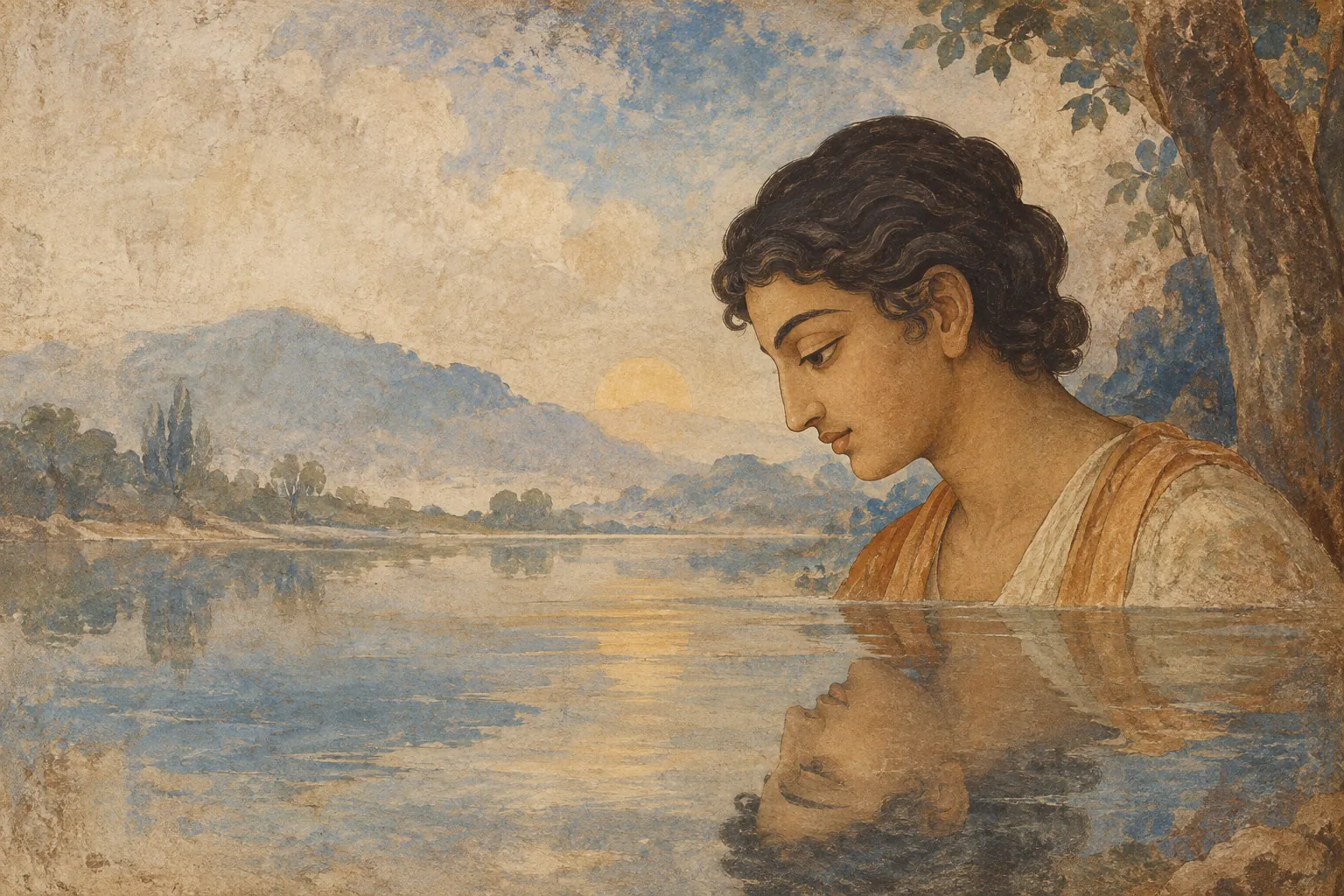
All that is here is strung on Him like pearls upon a thread; know the thread, and every pearl becomes a word of the Beloved. — The Delight of Krishna

The soul enters in
śraddhāvān bhajate — the inmost self given to the Divine in love and faith
and is led towards
vāsudevaḥ sarvam — the knowledge that the Divine is all that is

Recitations

  1. Swami Sarvagananda ji0:00
  2. Ashit Desai0:00
In this chapter

30 verses

Summary of chapter 7

The seventh to the twelfth chapters lay down a large metaphysical statement of the nature of the Divine Being and on that foundation closely relate and synthetise knowledge and devotion. just as the first part of the Gita related and synthetised works and knowledge in giving the primary basis of its teachings.

I. The Two Natures (1-14)

The Gita makes the distinction between the two Natures, the phenomenal and the spiritual. Here is the first new metaphysical idea of the Site which helps it to start from the notions of the Sankhya philosophy and yet exceed them and give to their terms a Vedantic significance.

II. The Synthesis of Devotion and Knowledge (15-30)

The Gita is not a treatise of metaphysical philosophy. It seeks the highest truth for the highest practical utility. Thus it turns the philosophic truth given in the opening section of this chapter into a first starting-point for the unification of works. knowledge and devotion.
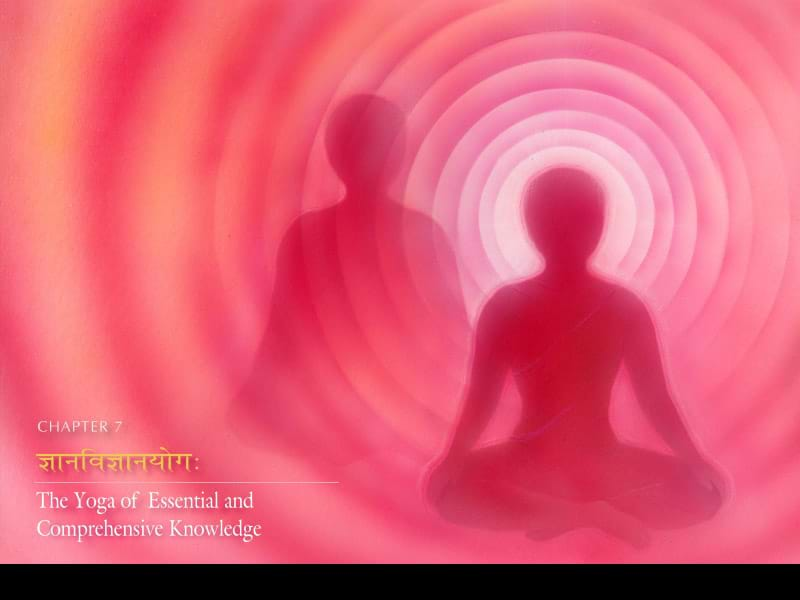
Chapter 7 illustration, titled ज्ञानविज्ञानयोगः
Illustration · Sushanto Nath, Sri Aurobindo Society

Chapter outline

Choose a range to read just those verses.

  1. 7·1–6The lower and the higher Nature.
  2. 7·7–15Comprehensive Knowledge of the Divine lmmanence.
  3. 7·16–19The four kinds of God lovers, the supreme vision of the jr’iani‘lohakta.
  4. 7·20–27The worship of gods by the ignorant.
  5. 7·28–30Hints to Integral Knowledge.
  6. 7·1–30Show all 30 verses

The verses

Showing verses 28–30 of 30 · Show all 30 verses

Śrī Bhagavān uvācaश्रीभगवानुवाच

  1. 7·28येषां त्वन्तगतं पापं जनानां पुण्यकर्मणाम् । ते द्वन्द्वमोहनिर्मुक्ता भजन्ते मां दृढव्रताः ॥ २८ ॥yeṣāṁ tvantagataṁ pāpaṁ janānāṁ puṇyakarmaṇām, te dvandvamohanirmuktā bhajante māṁ dṛḍhavratāḥ.But those men of virtuous deeds, in whom sin is come to an end, they, freed from the delusion of the…
  2. 7·29जरामरणमोक्षाय मामाश्रित्य यतन्ति ये । ते ब्रह्म तद्विदुः कृत्स्नमध्यात्मं कर्म चाखिलम् ॥ २९ ॥jarāmaraṇamokṣāya māmāśritya yatanti ye, te brahma tadviduḥ kṛtsnamadhyātmaṁ karma cākhilam.Those who have resort to Me as their refuge, those who turn to me in their spiritual effort towards release…
  3. 7·30साधिभूताधिदैवं मां साधियज्ञं च ये विदुः । प्रयाणकालेऽपि च मां ते विदुर्युक्तचेतसः ॥ ३० ॥sādhibhūtādhidaivaṁ māṁ sādhiyajñaṁ ca ye viduḥ, prayāṇakāle’pi ca māṁ te viduryuktacetasaḥ.They know Me and know at the same time the material and the divine nature of being and the truth of the Master…

End of the chapter

ॐ तत्सदिति श्रीमद्भगवद्गीतासूपनिषत्सुब्रह्मविद्यायां योगशास्त्रे श्रीकृष्णार्जुनसंवादेज्ञानविज्ञानयोगो नाम सप्तमोऽध्यायः ॥ ७॥

om tatsaditi śrīmadbhagavadgītāsūpaniṣatsubrahmavidyāyāṁ yogaśāstre śrīkṛṣṇārjunasaṁvādejñānavijñānayogo nāma saptamo’dhyāyaḥ

Thus, in the Upanishad sung by the Lord, the science of Brahman, the scripture of Yoga, the dialogue between Sri Krishna and Arjuna, ends the seventh chapter entitled “The Yoga of Essential and Comprehensive Knowledge ”

Go to a verse

  1. 1
  2. 2
  3. 3
  4. 4
  5. 5
  6. 6
  7. 7
  8. 8
  9. 9
  10. 10
  11. 11
  12. 12
  13. 13
  14. 14
  15. 15
  16. 16
  17. 17
  18. 18
  19. 19
  20. 20
  21. 21
  22. 22
  23. 23
  24. 24
  25. 25
  26. 26
  27. 27
  28. 28
  29. 29
  30. 30